Index
Discover the charm of Malabrigo's silk yarn "MORA" while knitting.
Do any of you knit with silk yarn?
I've only done it once before, and that was a very long time ago.
It was a thin silk yarn that I bought out of curiosity when I was still a beginner at crochet.
The yarn felt nice against my skin, but the soft, thin yarn lacked stiffness and was difficult to knit with, so I stopped knitting with it pretty quickly—a bitter memory in retrospect.
Since then, I haven't had the opportunity to knit with silk yarn, and that's how things have remained until now.
malabrigoBeing able to hold "MORA" in my hands has changed my perception of silk thread.
The thickness of the yarn made me think, "I can knit with this."
The texture and sheen were immediately apparent.
The supple weight of the spun thread was there.
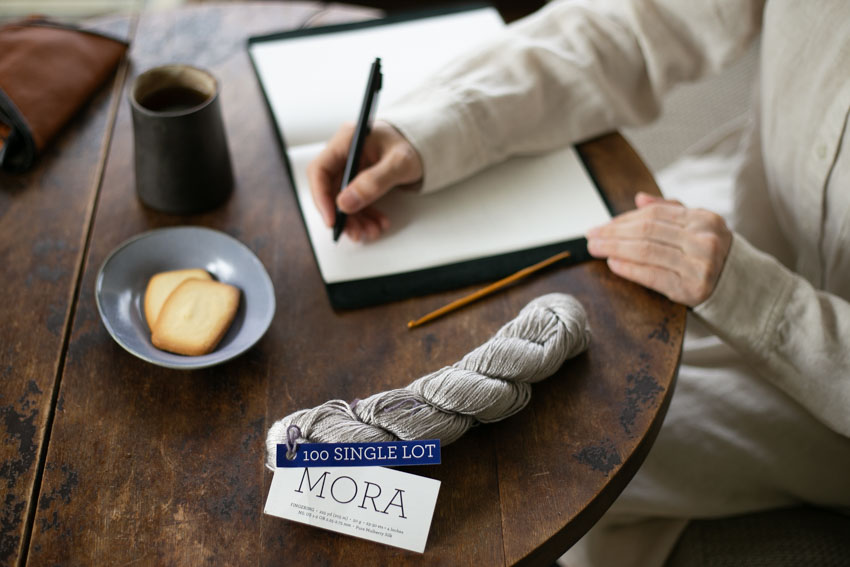
Time spent engrossed in knitting with shimmering silk threads
When I thought about what to knit, the first thing that came to mind was the desire to "use every last bit of it."
The moment an image of a piece that could fulfill that vision came to mind, I immediately wound the yarn and began knitting with great enthusiasm.
My memories of how it felt to knit with this yarn in the past seem to have vanished somewhere.
The only thing that passed was the smooth texture of the surface and the movement of my hands.
And then I made a delightful discovery.
The extremely fine, silky fibers create a shimmering, fuzzy texture under incandescent light.
If you look closely, you can see countless tiny sparkles scattered throughout the knitted fabric, reminiscent of diamonds illuminated by incandescent light.
How is Malabrigo thread produced?
Hand-dyed yarn from a kitchen in Uruguay
I'm increasingly curious about how this yarn was created.
When the black cat opens the adorable little booklet, from the story that accompanies it,MalabrigoI was drawn into that world.
It all started 20 years ago in a small kitchen in Montevideo, when a young stepbrother began experimenting with dyeing techniques.
I learned about the origins of Malabrigo's dyeing techniques, much like imagining a scene from a movie.
Montevideo is the capital of the Oriental Republic of Uruguay.
It is a small South American country located between Brazil and Argentina, with Spanish as its official language.
Uruguay, with its warm climate, has a sheep population that is nearly twice the number of people.
As someone who loves knitting, I find that aspect endearing.
Malabrigo's commitment
Most of Malabrigo's yarns use 100%, a high-quality merino wool from Uruguay, particularly known for its softness.
The materials are carefully selected from trusted suppliers around the world, including Uruguay, and then meticulously dyed.
The deep, rich colors and uniquely vibrant hues are what make Malabrigo yarn so appealing.
Currently, Malabrigo has a research laboratory dedicated to product development in Montevideo, and all production takes place at its factory in Peru.
We strive to provide job opportunities for women of all ages and conduct production in compliance with safety standards, including minimizing the use of chemicals.
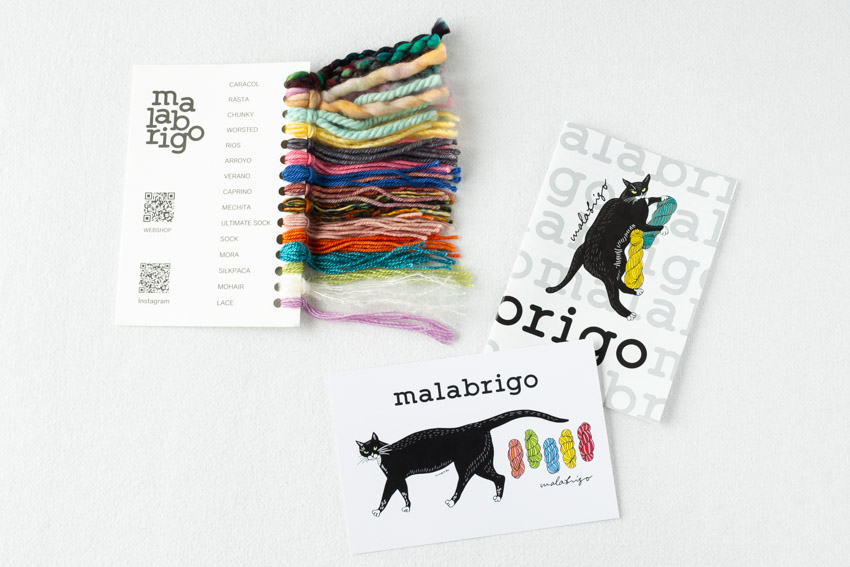
Yarn names that evoke natural landscapes
Many of Malabrigo's yarn and color names are inspired by a variety of things, including nature, landscapes, places, art, and everyday objects and experiences.
For example, many of the yarns are named after natural landscapes, such as "RIOS" meaning river, "ARROYO" meaning stream, "NUBE" meaning cloud, and "VIENTOS" meaning wind.
"Mora" is one such name.
Mora is a yarn made from 100% Mulberry Silk.
Mulberry silk is silk produced from cocoons made by silkworms that feed on mulberry leaves.
"Mulberry" is the English word for "mulberry tree," and "Mora" in Spanish means "mulberry fruit."
"Mulberry Silk" comes from silkworms that feed on mulberry leaves, and "Mora" is the Spanish word for mulberry.
Knowing the origin of a name sparks the imagination and allows us to picture the landscape beyond it.
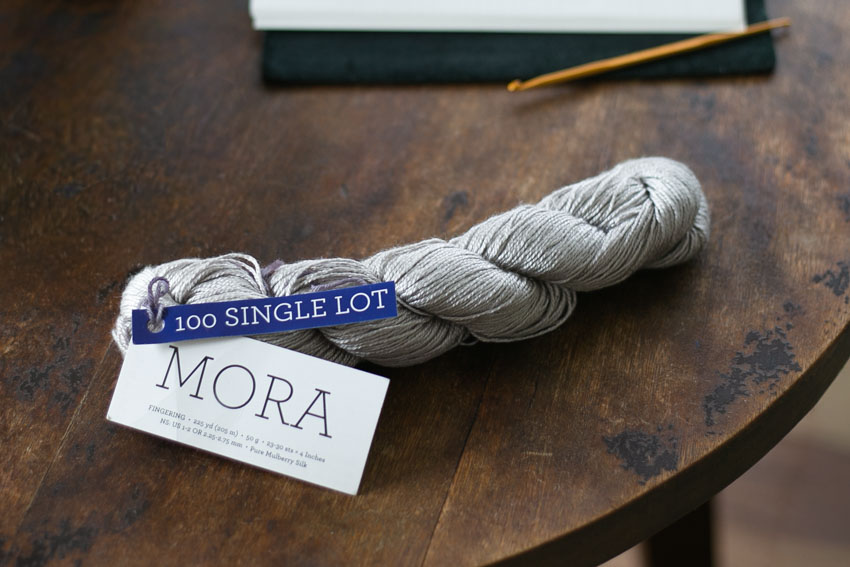
Malabrigo yarn available in Japan
In Japan, Malabrigo yarn is only available from authorized retailers.malabrigo Japan。
You can find our lineup of yarns, directly imported from our Peruvian factory, at our online shop and pop-up stores.
A variety of yarns, including "MORA," that you'll want to incorporate into your everyday knitting projects.
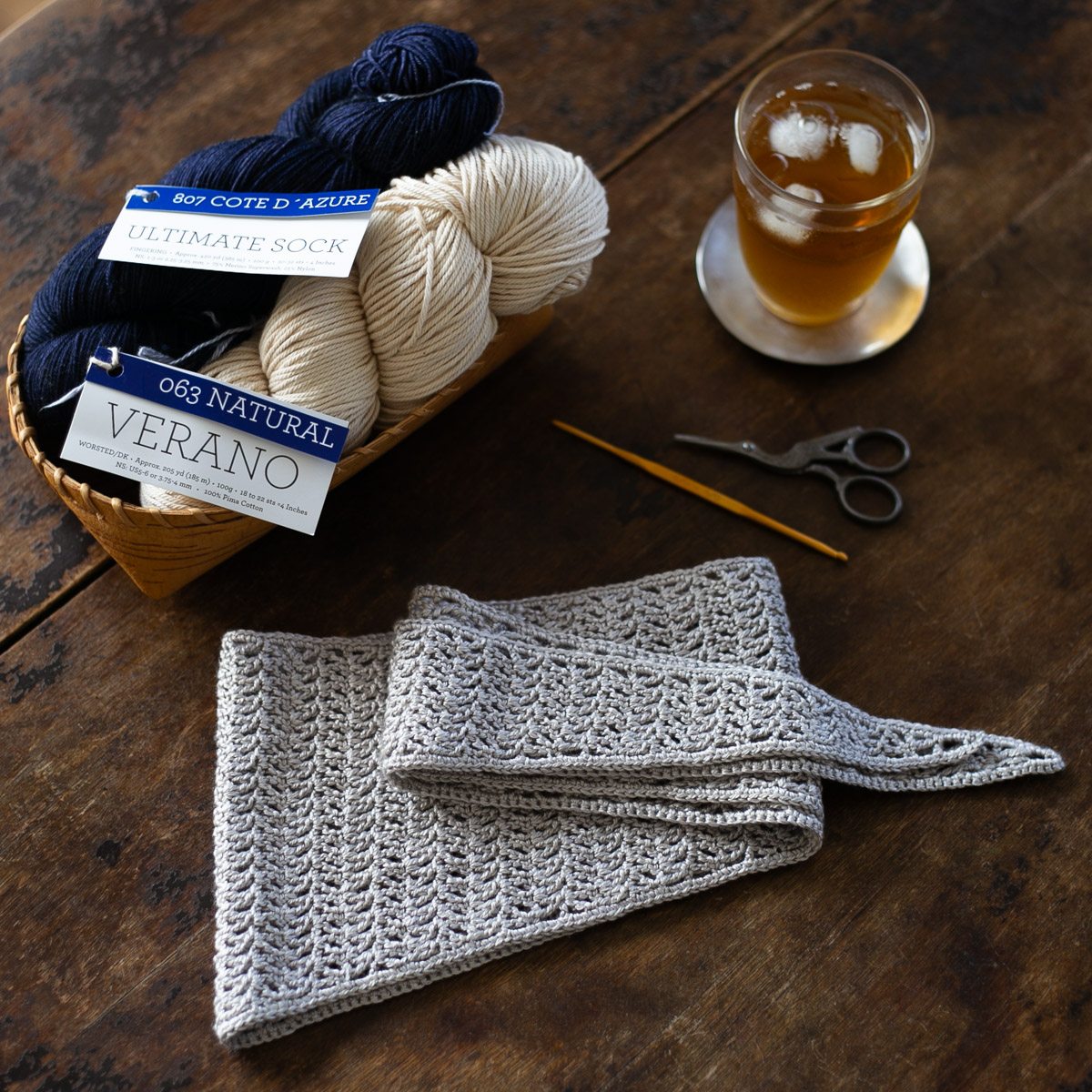
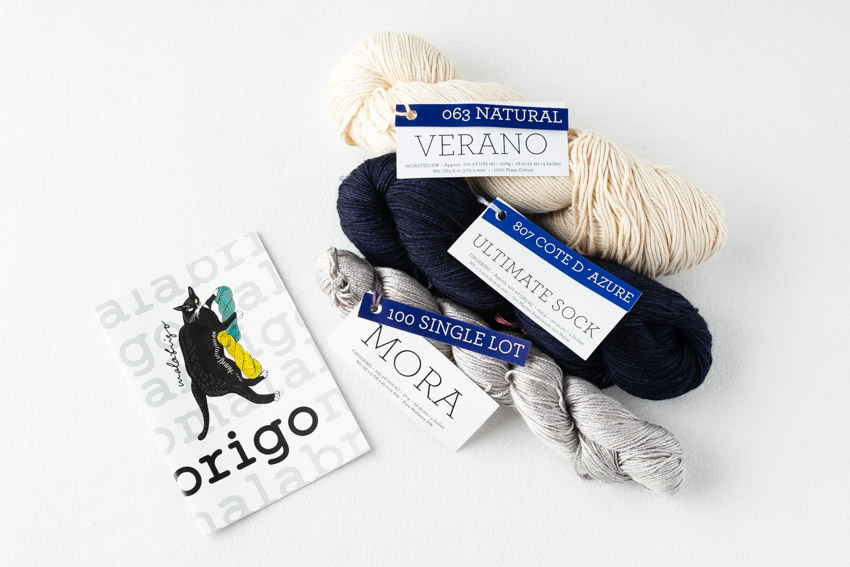
The skeins of yarn in the following picture, from top to bottom, are:
"VERANO" made from 100% cotton TP3T, "ULTIMATE SOCK" and "MORA" are highly durable sock yarns.
And the charming black cat depicted on the malabrigo Japan booklet and cards is also memorable.
Enjoy using one skein of "MORA" yarn to the fullest with crochet.
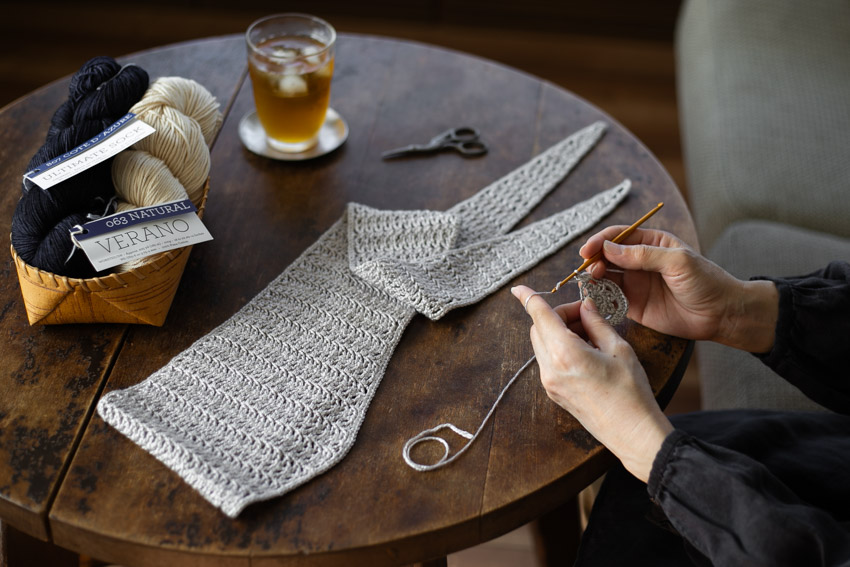
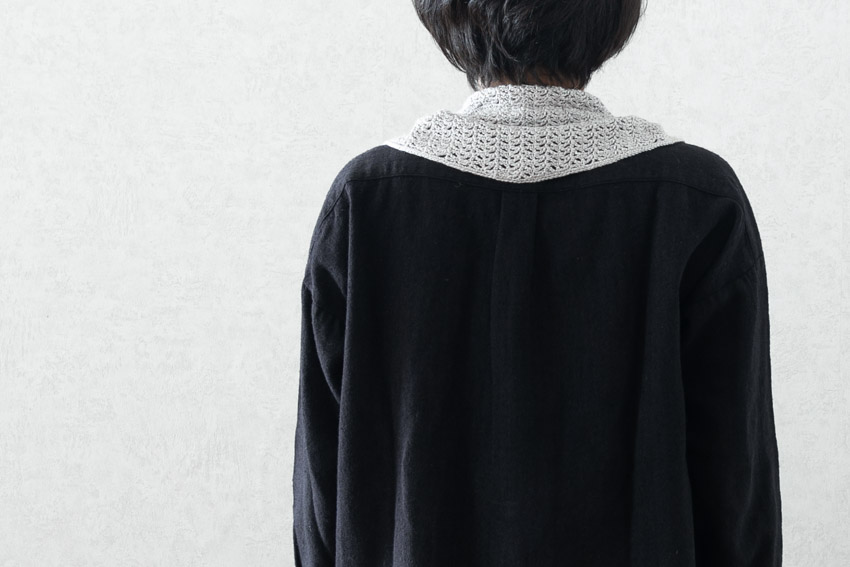
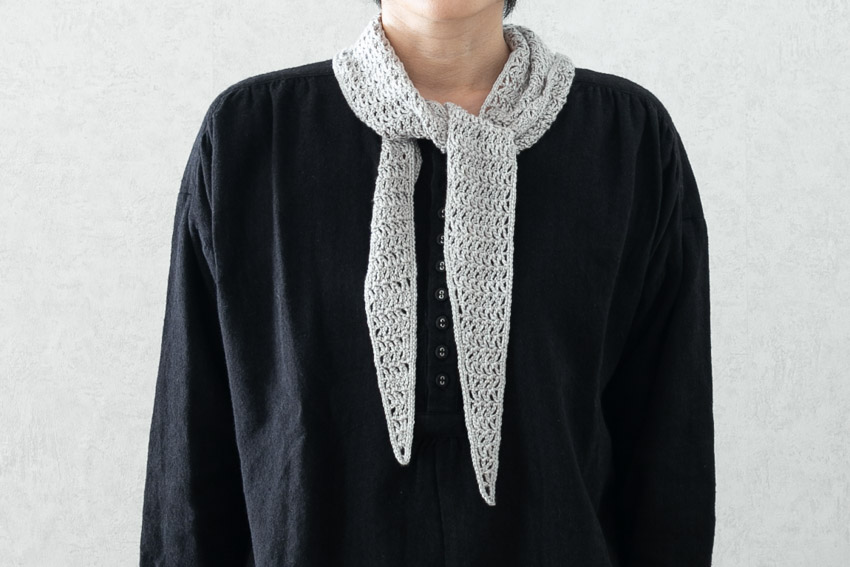
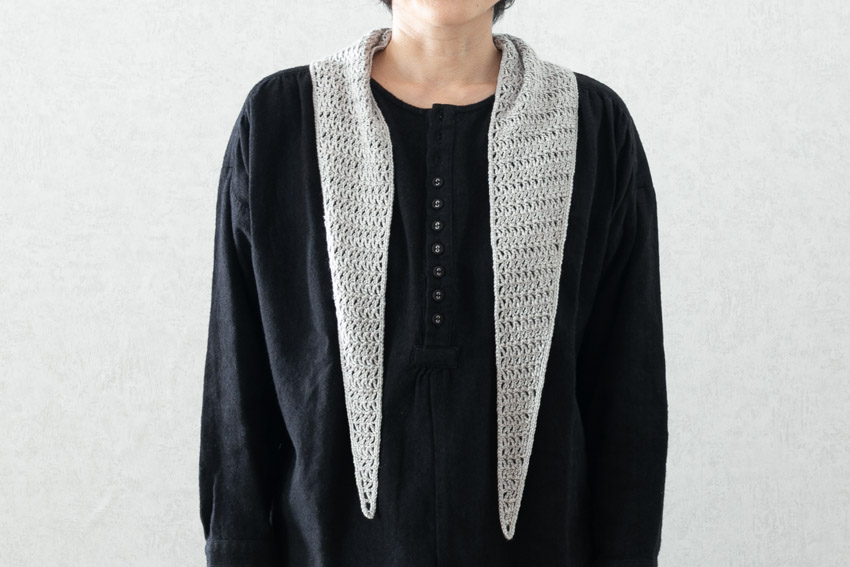
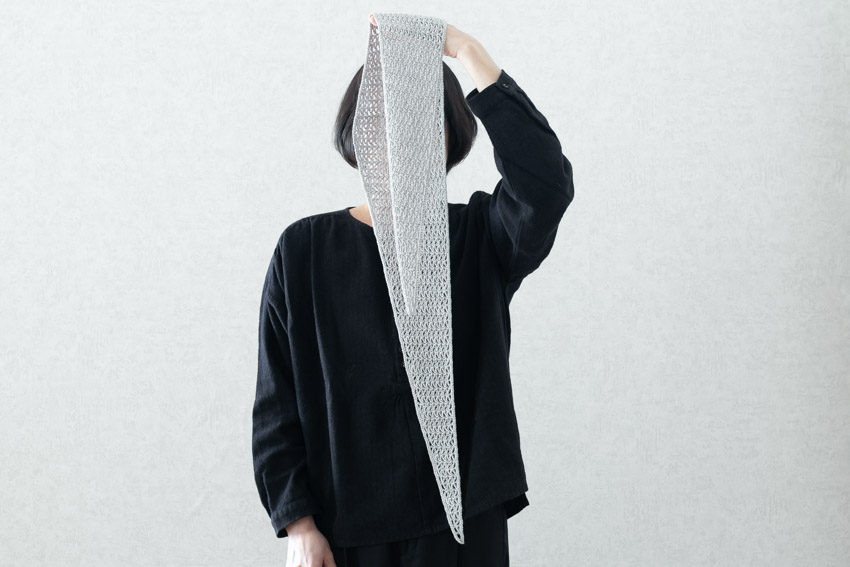
This time, I knitted a small scarf using "MORA" yarn.
This piece, which resembles both a small triangular shawl and a slim scarf, is what I've named "Shawl Scarf."
This pattern is designed to fit within one skein of yarn while minimizing waste.
When I finished it and put it on, I felt a closeness that made it feel like it was gently hugging my skin.
Is silk a material that feels good against the skin?
This raised a question in my mind, and upon investigation, I discovered that silk is a fiber made from protein and contains amino acids that are also found in human skin.
It has a pleasant feel that makes you want to reach out and touch it, both while you're knitting and after it's finished.
It was a moment when the word "luxury" quietly resonated with me.
Why not try knitting a scarf for yourself this winter using soft, comfortable yarn?
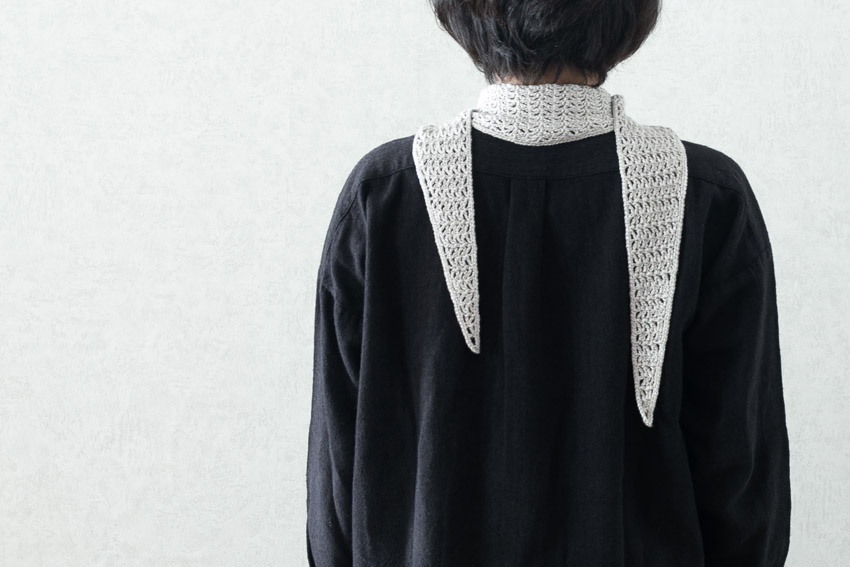
A compact size that won't bunch up around the neck.
Free crochet pattern for a shawl/scarf.
Yarn used
Malabrigo MORA
Thickness: Fingering (medium-fine)
Twist: 4 ply (4 strands)
Length: 205 m
Weight: 50 g
Material: 100% Pure Mulberry Silk
Crochet hook size and necessary tools
・Size 4 crochet hook
Please prepare a kitchen scale or similar device that can measure weight.
Finished size
16 cm (maximum width) x 125 cm (maximum height)
gauge
Patterned stitch: 13 patterns horizontally x 9 rows vertically, per 10 cm square.
Knitting pattern for a "shawl scarf" | Crochet pattern
Shawl scarf knitting pattern (PDF)
- This crochet pattern is in PDF format, making it easy to print on A4 size paper.
- If you are saving and viewing the image on your smartphone or other device while crocheting, simply tap to enlarge it.
- Please read the "Terms of Use" before using the patterns.
Detailed instructions and steps for making a "shawl scarf"
*Please also refer to the knitting pattern along with the instructions.
*The yarn is used in a single strand for knitting.
Main body (first half)
① Start by making a foundation chain of 1. For the first row of double crochet, pick up one strand on the far side of the foundation chain and the back loop.
For the second row and beyond, the double crochet (or treble crochet) stitches you work into the starting chain of the previous row are worked into the third stitch of the starting chain.
② In the first half, knit while increasing stitches at the right edge of each row.
The increase pattern consists of 6 rows, and this is repeated 9 times until you reach the 54th row.
This concludes the first half of the main content.
Once you've finished knitting the 54th row, weigh the knitted fabric and the remaining yarn.
Please check that the weight of the remaining yarn is approximately 7g heavier than the weight of the knitted fabric.
The amount of yarn used in the second half of the shawl is roughly the same as in the first half, plus about 7g more for the edging.
for example,
Knitted fabric: 21 g
Remaining yarn: 28 g (21 g + 7 g)
It's okay if it's around that level.
If you have enough yarn left, knit the second half of the main body according to "Second Half of Main Body Pattern ①".
If you have little yarn left, unravel row 54 (considering rows 1-53 as the first half), and knit the second half according to "Main Body Second Half Knitting Pattern ②".
Second half of the main story
In "Main Body Part 2 Knitting Pattern ①," from row 56 onwards, knit while decreasing stitches at the right edge of each row.
The decrease pattern consists of 6 rows, and this is repeated 9 times until row 109. Finally, after knitting row 110, turn the work right side out.
In "Main Body Part 2 Knitting Pattern ②," from row 55 onwards, knit while decreasing stitches at the right edge of each row.
From row 60 onwards, the decrease pattern consists of 6 rows, and this is repeated 8 times until row 107. Finally, after knitting row 108, turn the work right side out.
Edging
Continue crocheting the edging using the same yarn as the main body.
Even if you knitted the main body using "Knitting Pattern ②," please knit according to the knitting patterns on Pages 06-07.
When crocheting the edging, look at the right side of the fabric while you're working.
Start knitting from the end of the main body where you finished knitting, and first knit the longer side of the triangle.
For the longer side of the triangle, crochet approximately 3 single crochet stitches per row of the main body.
For the shorter sides of the triangle, you will generally crochet 3 single crochet stitches per row of the main body, but in the areas indicated by thick lines in the pattern, you will crochet 4 single crochet stitches.
Once you've crocheted around the edge once, cut the yarn.
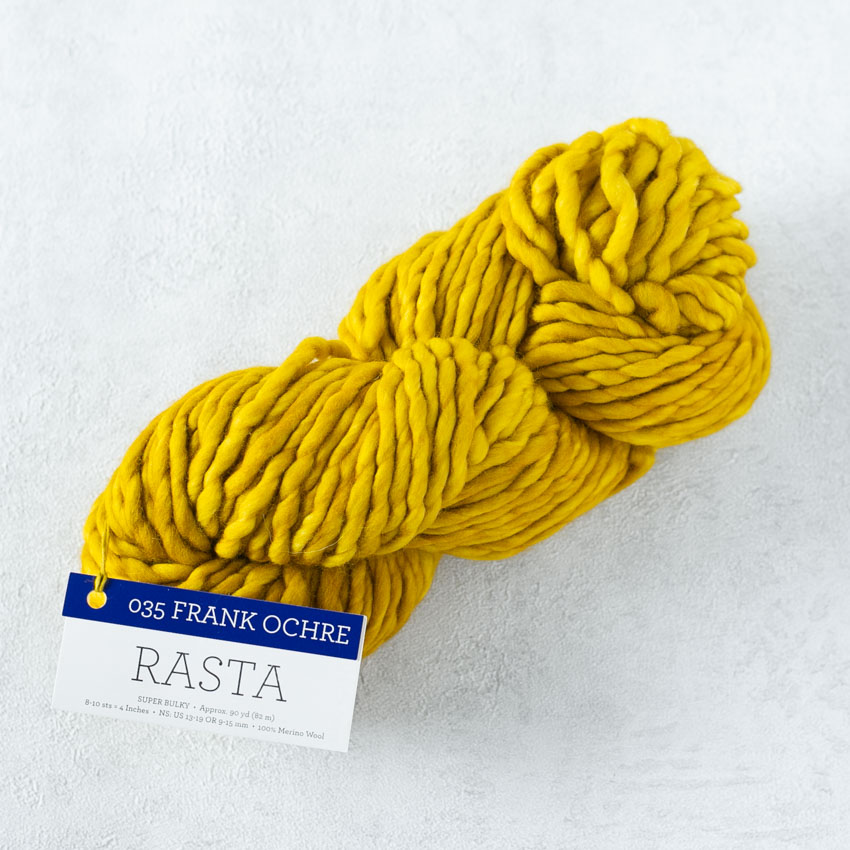
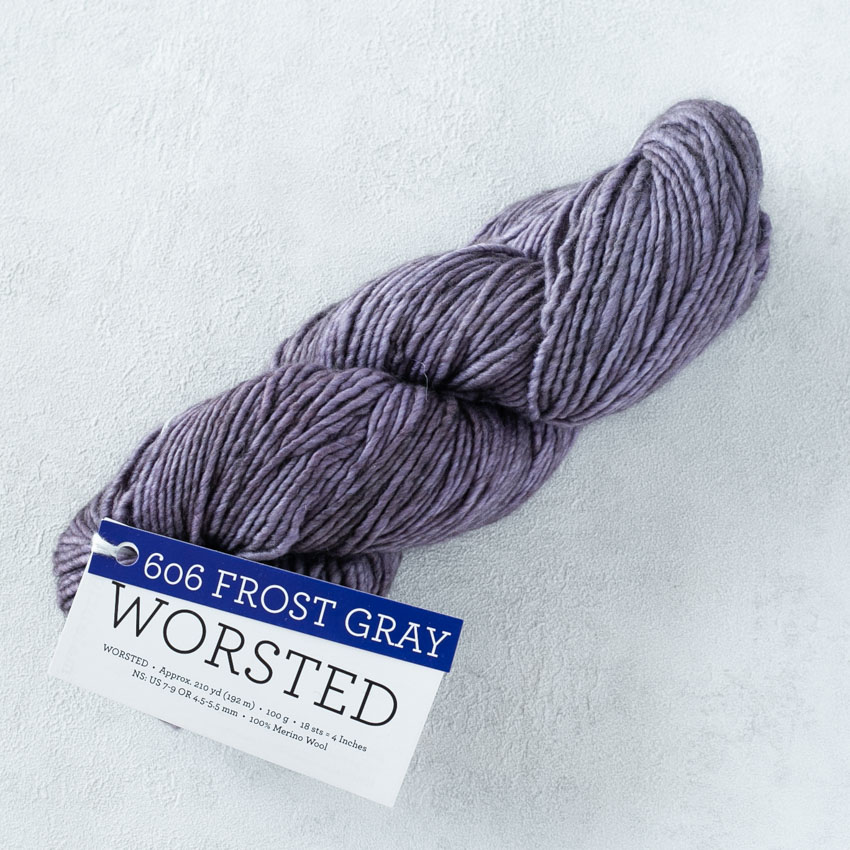
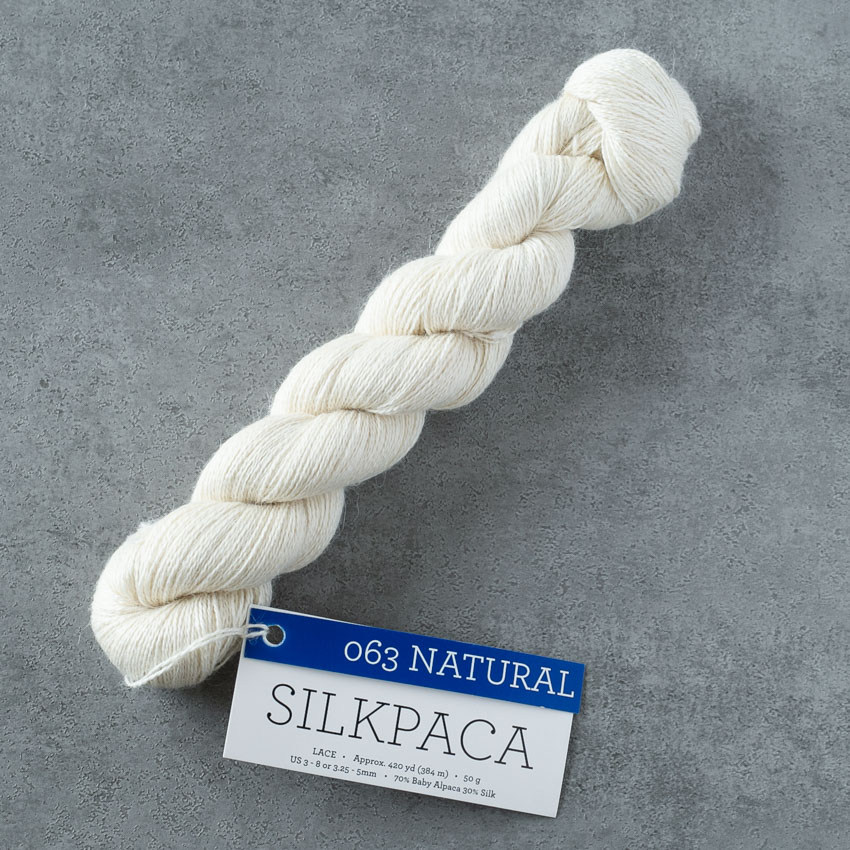
Malabrigo yarn I want to knit with this winter.
malabrigo Japan
Inquiry response hours: 10:00~16:00
Closed on Sundays and public holidays

